
Serving Greater Pittsburgh & Northern Panhandle, Washington, Weirton, Pittsburgh, and surrounding cities
Insulation Services Before & After Photos
Click on a photo to enlarge.
Steubenville, OH Home Insulation Upgrade


This Steubenville OH, home owner contacted Home Environment Solutions because he was experiencing home comfort issues. His upstairs is too hot in the summer and his basement is too cold in the winter. This is a very common complaint we hear at Home Environment Solutions and we were happy to help.
We sent our certified home comfort specialist out to survey the situation and it quickly become apparent what needed done. This homes attic insulation was old and insufficient.
We sent out our professional installation crew to air seal and insulate using TrueSoft Cellulose insulation. This will eliminate their comfort issues and cut there energy bill in half!
Fixing attic leaks and restoring insulation after roof work in Steubenville, OH 43952
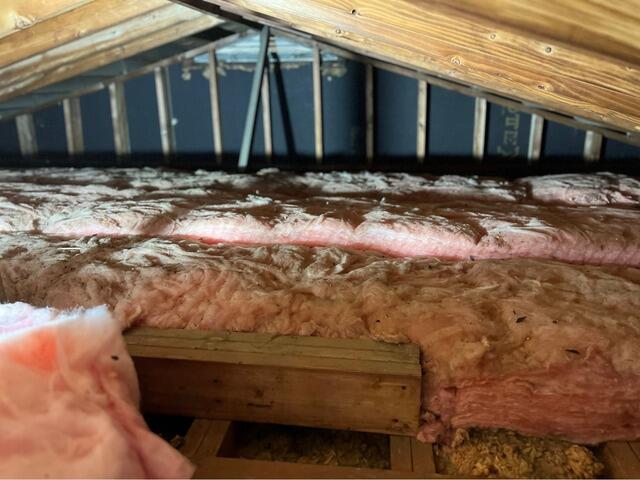
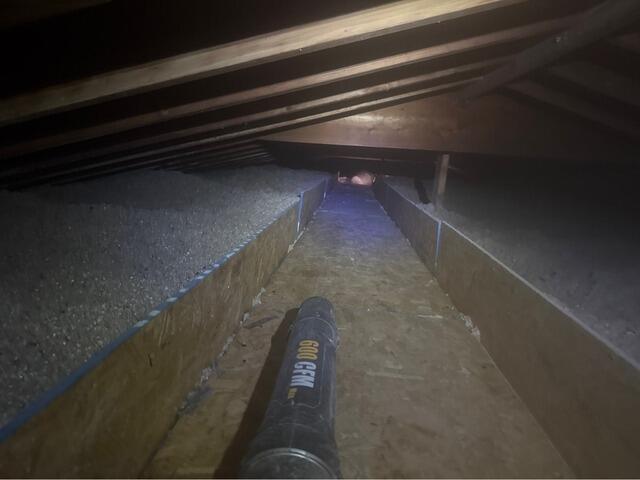
Tom reached out after having completed roof repairs recently, but he was still dealing with drafty conditions and higher energy bills. He also knew there were issues inside the attic that needed to be addressed.
When we evaluated the attic, we found that air leakage and insulation issues were allowing energy to escape, and access to certain areas was needed to properly address problem spots.
Our team focused on restoring the attic system the right way. We sealed attic air leaks, sealed penetrations and top plates, and addressed key leakage pathways that were contributing to energy loss. Once the attic was properly sealed, we upgraded the insulation to ensure full coverage and consistent performance.
By tightening the attic and rebuilding the insulation system, we helped stop air movement at the source and improve how the home holds temperature.
Now the attic is properly sealed, energy loss has been reduced, and the home feels less drafty and more efficient overall.
Jewett OH Home Renovation


Greta contacted Home Environment Solutions to help with some major renovations on her Jewett, Ohio home. Russ arrived for the free in home evaluation and learned that Greta wanted mold remediated in her unfinished basement, the air ducts cleaned, and new insulation to increase the homes energy efficiency.
The HES team arrived and got to work setting up air scrubbers in the work area and remediating the mold on all of the surfaces with a disinfectant solution that the EPA approved for mold. The affected carpet and drywall was removed and disposed of. Next a SaniDry dehumidification system was installed.
Upstairs the existing insulation was removed form the attic. The attic was then air sealed and insulated with cellulose. A David Lewis Hatch Cover was installed along with a storage deck insulated with SilverGlo foam insulation. Each of the homes recessed lighting fixtures were given a TiteShell cover and air sealed to stop heat loss.
Greta's home is now ready for her to enjoy.
Mingo Junction OH Commercial Insulation job


Father Jim called us to improve the energy efficiency of an almost 100 year old Church.
Certified Comfort and Energy Specialist Mark O. designed several solutions to improve the energy efficiency and extend the life of the HVAC systems.
Foreman Mike Y. and his team air sealed the attic and properly insulated with cellulose insulation to R60 for optimum results. All six HVAC systems were thoroughly cleaned and all of the ductwork was spray foamed to insulate and prevent the conditioned air from being lost in the attic.
The end result was a more efficient building.
Attic sanitation and improving upstairs comfort in Mingo Junction, OH 43938
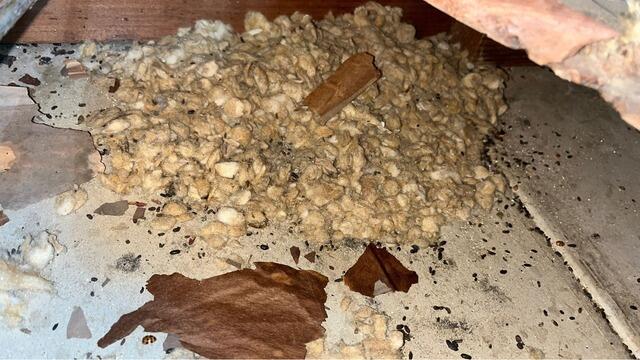
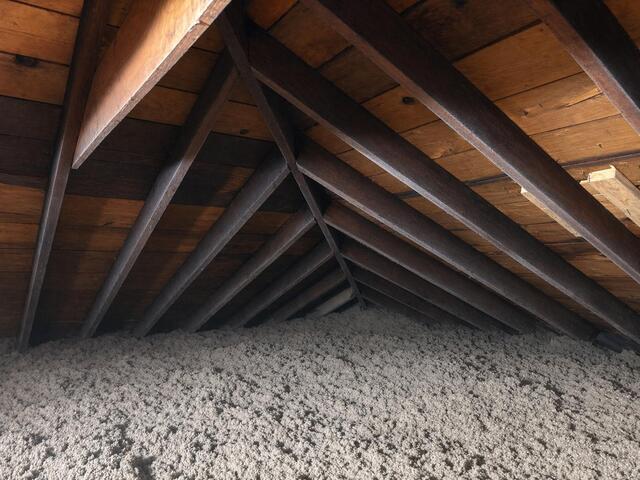
Carrie reached out after dealing with uncomfortable temperature swings upstairs and discovering rodent droppings in the attic. Even when the problem starts in the attic, it can impact how the entire home feels.
When we evaluated the space, it was clear that contamination needed to be addressed, but there were also air leakage issues contributing to the uneven temperatures upstairs.
Our team started by safely removing and disinfecting the attic to eliminate rodent contamination and restore a clean environment. Once the attic was properly treated, we focused on improving performance. We sealed attic air leaks, sealed top plates and key leakage areas, and insulated the attic access opening to stop conditioned air from escaping.
By tightening the attic system, we helped reduce the temperature swings Carrie was experiencing upstairs. Now the attic is clean and sanitized, and the upstairs is noticeably more comfortable with better temperature consistency.
our service area
We serve the following areas
- Alliance
- Atwater
- Barnesville
- Belmont
- Beloit
- Bethesda
- Bolivar
- Bowerston
- Cadiz
- Cambridge
- Canton
- Carrollton
- Deerfield
- Dellroy
- Dennison
- Diamond
- Dover
- East Canton
- East Rochester
- East Sparta
- Flushing
- Gnadenhutten
- Hartville
- Homeworth
- Jewett
- Kimbolton
- Lore City
- Louisville
- Magnolia
- Malvern
- Mineral City
- Minerva
- New Philadelphia
- Newcomerstown
- North Benton
- North Canton
- Paris
- Piedmont
- Port Washington
- Quaker City
- Salesville
- Scio
- Sebring
- Sherrodsville
- Stone Creek
- Strasburg
- Tippecanoe
- Uhrichsville
- Freeport
- Waynesburg
