
Serving Greater Pittsburgh & Northern Panhandle, Washington, Weirton, Pittsburgh, and surrounding cities
Insulation Services Before & After Photos
Click on a photo to enlarge.
Make upstairs of Pittsburgh pa home more comfortable year round.
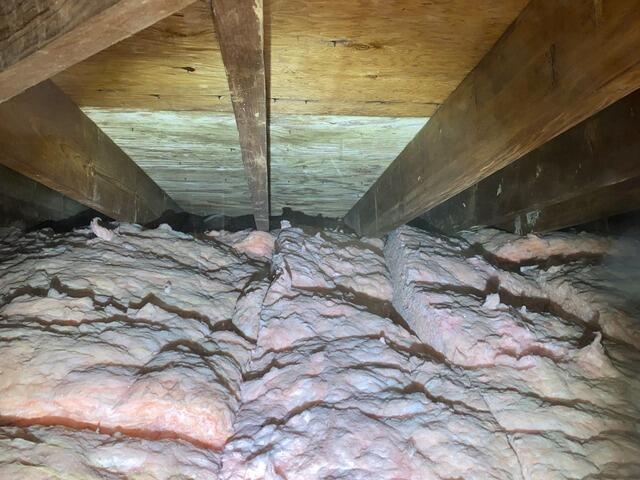
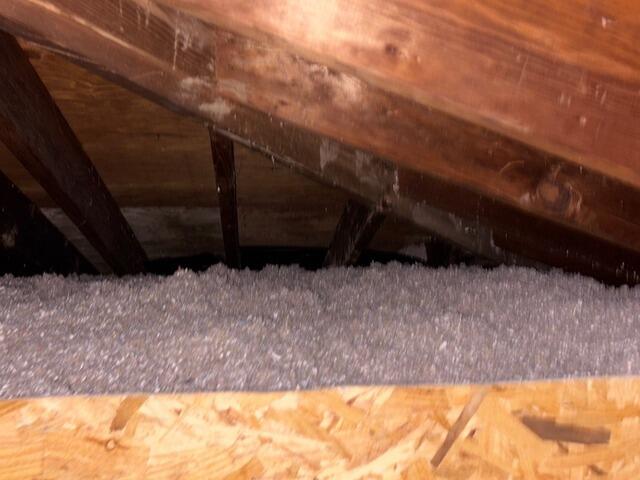
Erik called Home Environment Solutions stating that he is never comfortable in his home. He says it stays colder in the winter and warmer in the summer. We sent Russ out to perform a free home energy audit to determine what is needed to make his home more comfortable. Russ found old fiberglass batt insulation, uninsulated and unsealed scuttle cover and many other penetrations that let air escape.
Remove And Dispose Of Existing Insulation. Attic is prepared for installation of fresh, clean insulation. Our team air sealed and insulated Scuttle Cover, air sealed with Zypfoam all penetrations. Installed SilverGlo™ on wall and between floor joists as needed and they also applied Trusoft cellulose to the attic floor.
Making an upstairs more comfortable in Pittsburgh, PA 15243
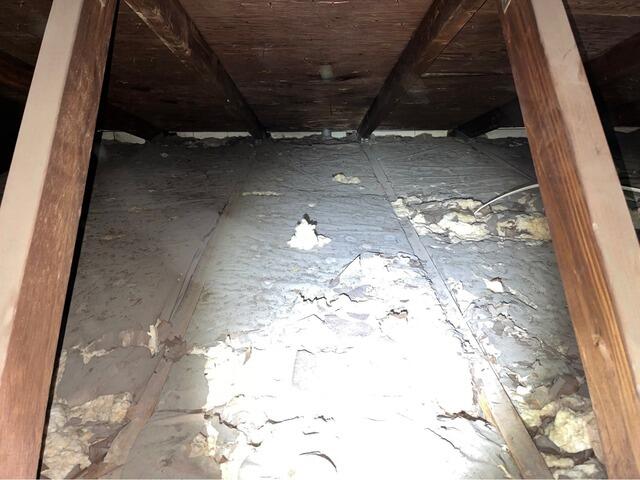
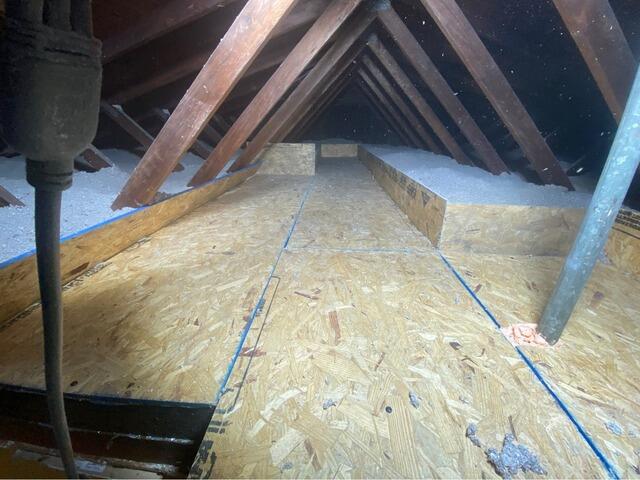
Brian reached out because his two-story home had cold floors, drafty rooms, and noticeable temperature differences upstairs. Energy bills were higher than expected, and before starting larger renovation projects, he wanted to understand where energy loss was happening and fix the most important issues first.
After completing a home energy audit, our team focused on tightening the attic and stopping conditioned air from escaping at the top of the home. We sealed and insulated the attic, improved attic access, sealed top plates and penetrations, and upgraded insulation levels to reduce heat loss. These improvements helped stabilize temperatures between floors and made the attic easier to access for future work.
Now, Brian’s home has more consistent temperatures upstairs, reduced drafts, and lower energy loss; creating a more comfortable home today and a better foundation for future renovations.
Pittsburgh, PA Attic Insulation


George saw the ad for Home Environment Solutions in the Clipper Magazine and called to schedule a free in home energy efficiently audit for his Pittsburgh, PA home. Russ arrived and got to work looking for ways to make George's home more comfortable and economical. Russ found that the upstairs in George's home was never comfortable. Either too hot in the summer or to cold in the winter.
The HES team arrived and got to work. They removed the old inefficient attic insulation and began air sealing. Next, TiteShell covers were installed over the recess lighting and SilverGlo foam insulation was used on the attic decking. The final phase was blowing in the cellulous insulation. George's home will now be more comfortable all year round and cost less to heat and cool.
Pittsburgh, PA Attic Insulation


George saw the ad for Home Environment Solutions in the Clipper Magazine and called to schedule a free in home energy efficiently audit for his Pittsburgh, PA home. Russ arrived and got to work looking for ways to make George's home more comfortable and economical. Russ found that the upstairs in George's home was never comfortable. Either too hot in the summer or to cold in the winter.
The HES team arrived and got to work. They removed the old inefficient attic insulation and began air sealing. Next, TiteShell covers were installed over the recess lighting and SilverGlo foam insulation was used on the attic decking. The final phase was blowing in the cellulous insulation. George's home will now be more comfortable all year round and cost less to heat and cool.
Pittsburgh, PA Home Insulation


Bruce called the Home Environment Solutions team for help insulating the attic in his home. Russ came out to the house and did an energy audit and evaluation.
The HES team arrived and got to work removing the old insulation that was not longer efficient. They began air sealing the attic and installed recessed light covers to stop warm air from escaping the living space. The next step was to air seal the rim joist in the basement and out the CleanSpace encapsulation system in with the TerraBlock floor insulation.
By dealing with the loss of warm air in the attic and the entry of cold air from the basement Bruce's home will stay more comfortable and have lower energy bills all year long.
our service area
We serve the following areas
- Alliance
- Atwater
- Barnesville
- Belmont
- Beloit
- Bethesda
- Bolivar
- Bowerston
- Cadiz
- Cambridge
- Canton
- Carrollton
- Deerfield
- Dellroy
- Dennison
- Diamond
- Dover
- East Canton
- East Rochester
- East Sparta
- Flushing
- Gnadenhutten
- Hartville
- Homeworth
- Jewett
- Kimbolton
- Lore City
- Louisville
- Magnolia
- Malvern
- Mineral City
- Minerva
- New Philadelphia
- Newcomerstown
- North Benton
- North Canton
- Paris
- Piedmont
- Port Washington
- Quaker City
- Salesville
- Scio
- Sebring
- Sherrodsville
- Stone Creek
- Strasburg
- Tippecanoe
- Uhrichsville
- Freeport
- Waynesburg
