
Serving Greater Pittsburgh & Northern Panhandle, Washington, Weirton, Pittsburgh, and surrounding cities
Insulation Services Before & After Photos
Click on a photo to enlarge.
Pittsburg, PA Attic Insulation


Beth was having trouble keeping her Pittsburgh, PA home warm in the winter. The energy bills were high and she was still uncomfortable. She called Home Environment Solutions to see what we could do to help make her home more energy efficient and enjoyable. After performing a free in home energy audit Beth and HES came up with a plan together.
The Home Environment Solutions team arrived and removed the old worn out insulation from the attic. The attic was then air sealed to stop warm air from escaping the home's living space. Next a thick layer of blown in insulation was installed to increase the R-Value, preventing radiant heat loss.
Beth will now be more comfortable in her home all year long with lower heating and cooling bills.
Pittsburgh, PA Home Insulaiton


Beth was having trouble keeping her Pittsburgh, PA home warm in the winter. The energy bills were high and she was still uncomfortable. She called Home Environment Solutions to see what we could do to help make her home more energy efficient and enjoyable. After performing a free in home energy audit Beth and HES came up with a plan together.
The Home Environment Solutions team arrived and removed the old worn out insulation from the attic. The attic was then air sealed to stop warm air from escaping the home's living space. Next a thick layer of blown in insulation was installed to increase the R-Value, preventing radiant heat loss.
Beth will now be more comfortable in her home all year long with lower heating and cooling bills.
Make Bethel Park Pa home more comfortable year round


Bob from Bethel Park Pa called Home Environment Solutions saying he is tired of his home staying cooler in the winter and warmer in the summer and would like us to come see what can be done to make home more comfortable. We sent our expert Russell out to perform a FREE energy audit. Russ found old insulation, unsealed penetrations and non insulated scuttle cover.
Our insulation team removed all the old insulation and disposed of it. Installed Silverglo foam board on scuttle and walls. Sealed all internal and external penetrations with Zypfoam. Installed Trusoft cellulose on the attic floor.
Preventing Ice Damming and Insulating Ceilings in Pittsburgh, PA 15241
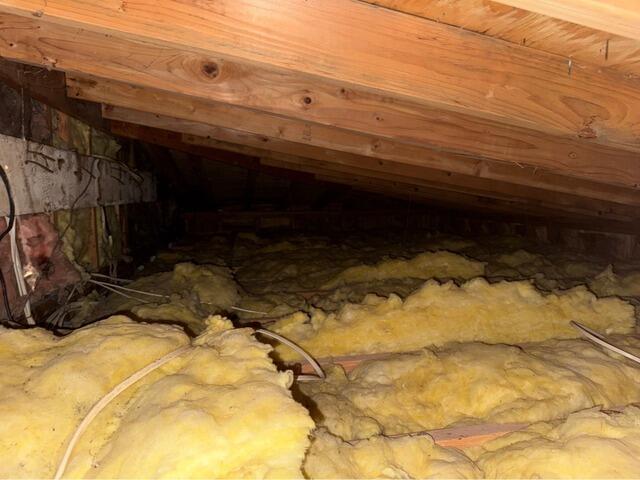
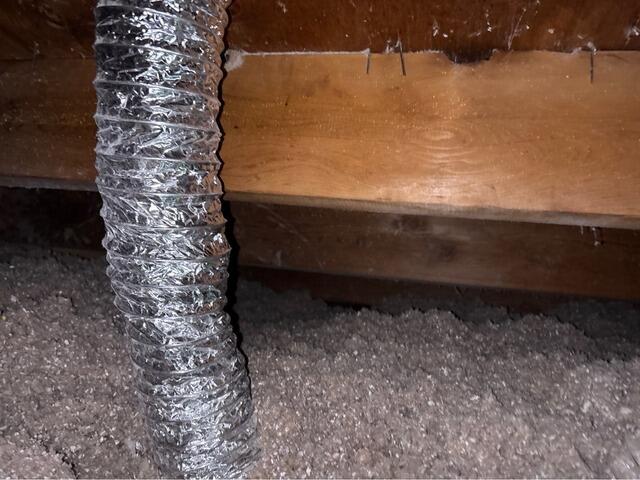
Jeff reached out because his home was experiencing high energy bills, drafts, uneven upstairs temperatures, and ice damming along the roofline. He was also interested in improving insulation in the ceiling areas to help the home feel more consistent year-round.
When we evaluated the attic and ceiling system, we found multiple air leakage points that allow heat to escape into the attic. That escaping heat was contributing to the ice damming and making the upstairs harder to keep comfortable.
Our team focused on tightening and insulating the attic system properly.
We sealed attic air leaks, sealed penetrations and top plates, and insulated the attic access opening to stop conditioned air from escaping. We also improved insulation coverage in key ceiling areas to strengthen the thermal barrier between the living space and attic.
Now the home feels more consistent, upstairs comfort has improved, and the conditions causing ice damming have been significantly reduced.
Sanitizing and Transforming a 2,100 sq ft attic for a Better Home Performance
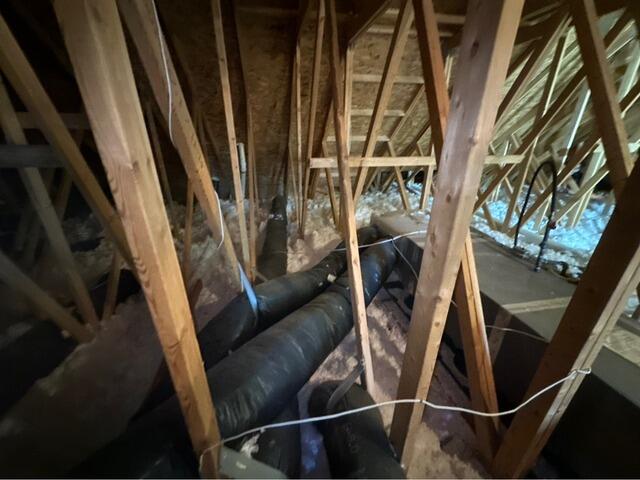
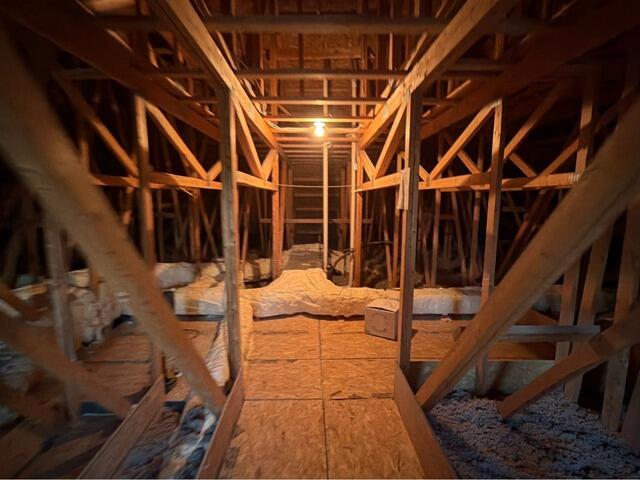
Doris wanted to make her Pittsburgh home more energy efficient and comfortable throughout the year. With approximately 2,100 square feet of attic space, the condition of the attic had a major impact on the performance of the home below. In addition to high energy bills and uncomfortable upstairs temperatures, there was visible mold and evidence of rodent activity in the attic. Mold buildup was also noted around the gutters. Rather than simply adding more insulation, this project required addressing multiple attic concerns as part of one comprehensive solution.
Our team began by addressing the existing attic conditions and preparing the space for the improvements to follow. With evidence of rodents present, contaminated materials and affected areas needed to be properly addressed before building a new insulation system.
We then completed comprehensive attic air sealing, including sealing top plates, encapsulating the HVAC ductwork, and sealing other leakage points throughout the large attic. These openings can allow conditioned air to escape from the living space and enter the attic, contributing to energy loss and making second-floor temperatures harder to control. We finished this project by constructing catwalk decking, for better access to equipment and for storage, and upgrading to blown-in TruSoft cellulose insulation to a value of R-49.
The finished project gives Doris a home that's better equipped to maintain comfortable temperatures throughout the seasons while reducing unnecessary energy loss.
This project is a great example of why attic improvements aren't simply about adding more insulation. Proper preparation, air sealing, and a complete insulation system all work together to create a healthier, more comfortable, and more energy-efficient home.
our service area
We serve the following areas
- Alliance
- Atwater
- Barnesville
- Belmont
- Beloit
- Bethesda
- Bolivar
- Bowerston
- Cadiz
- Cambridge
- Canton
- Carrollton
- Deerfield
- Dellroy
- Dennison
- Diamond
- Dover
- East Canton
- East Rochester
- East Sparta
- Flushing
- Gnadenhutten
- Hartville
- Homeworth
- Jewett
- Kimbolton
- Lore City
- Louisville
- Magnolia
- Malvern
- Mineral City
- Minerva
- New Philadelphia
- Newcomerstown
- North Benton
- North Canton
- Paris
- Piedmont
- Port Washington
- Quaker City
- Salesville
- Scio
- Sebring
- Sherrodsville
- Stone Creek
- Strasburg
- Tippecanoe
- Uhrichsville
- Freeport
- Waynesburg
