
Serving Greater Pittsburgh & Northern Panhandle, Washington, Weirton, Pittsburgh, and surrounding cities
Insulation Services Before & After Photos
Click on a photo to enlarge.
Attic insulation upgrade for a new furnace in Bridgeville, PA 15017
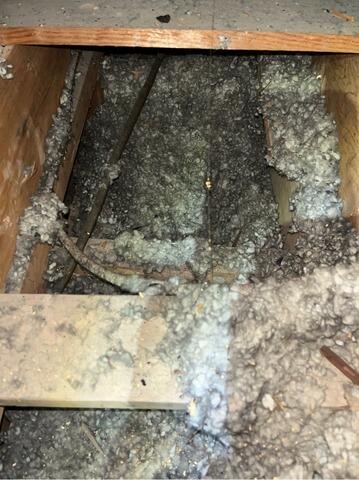
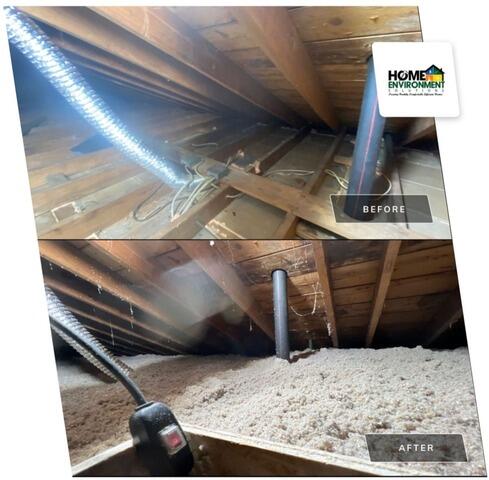
Alan recently installed a new furnace in his older single-story home and wanted to make sure it was running as efficiently as possible. Despite the new equipment, he was still dealing with drafty rooms, temperature swings, and higher than expected energy bills.
In older homes, upgrading the furnace alone doesn’t always solve comfort issues. If air is escaping through the attic, even the best heating system has to work harder than it should.
Our team sealed attic air leaks, sealed top plates and soffit areas, insulated the attic access opening, and tightened the attic’s thermal boundary to reduce heat loss in winter and heat gain in summer. By stopping uncontrolled air movement at the top of the home, we helped the new furnace operate more efficiently.
Now the home feels less drafty, temperatures are more consistent, and the heating system can run the way it was designed to -- without fighting major air leakage.
Making bedrooms more comfortable in Harmony, PA 16037
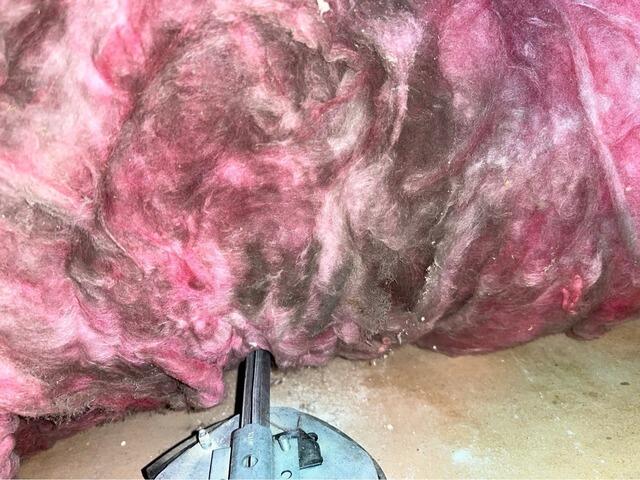
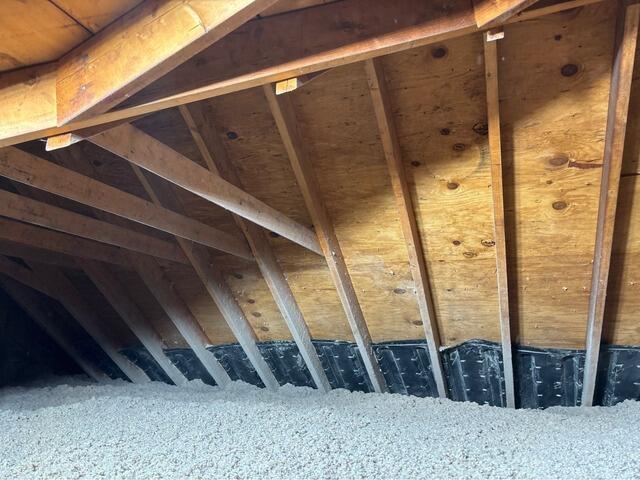
Adam contacted us because his single-story home had high energy bills, drafty rooms, and bedrooms that stayed cold during the winter. Even when the heat was running, comfort just wasn’t consistent, and certain rooms never warmed up the way they should.
Our team focused on tightening up the top of the home to stop heat loss. We improved and insulated the attic access and sealed top plates to reduce air leakage between the living space and attic. By closing these gaps, we helped keep warm air inside the home instead of letting it escape.
With these improvements in place, Adam’s bedrooms now stay warmer in the winter, drafts are reduced, and the home operates more efficiently, all while helping lower energy costs.
Carnegie Pa Attic Deck and Blown in Cellulous


Sam needed new and better insulation in his Carnegie, PA Home. Home Environment Solutions upgraded his attic insulation, air sealed the attic, and installed a storage deck.
Attic Mold in Carnegie, PA


Sam called Home Environment Solutions for help dealing with some moldy insulation in his attic. When Russ arrived he learned that Sam had his roof replaced last year and has been having problems with mold in the attic. Russ provided Sam with a free evaluation and discovered the problem was caused by bad circulation in the attic.
The HES team arrived and got to work removing the old moldy insulation so that the attic mold could be remediated. The Team used a strong chemical to remove all organic contamination form the attic. Since the attic was now remediated the attic could be insulated to make the home comfortable year round. The attic was air sealed and the duct work was encapsulated with foam. The HES team then installed a David Lewis Hatch Cover and a thick layer of cellulose insulation.
Sam's home is now free from mold and more energy efficient.
Making rooms over the garage more comfortable year-round in Carnegie, PA 15106
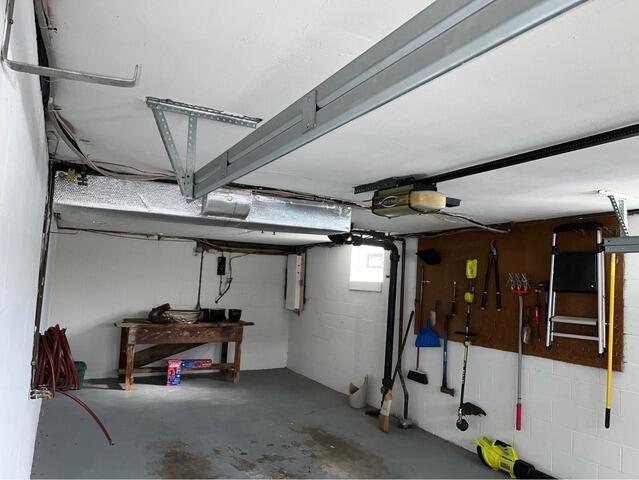
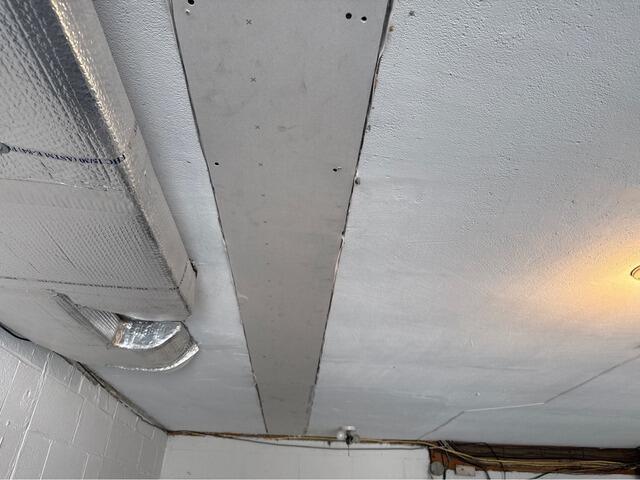
Jessica reached out because the rooms above the garage were much colder in the winter than the rest of the home. This is one of the most common comfort issues we see in two-story homes.
Garages are typically unconditioned spaces, which means the rooms above them are constantly exposed to colder temperatures below. If the garage ceiling isn’t properly sealed and insulated, those floors can become cold and uncomfortable very quickly.
Our team air sealed the garage ceiling and installed dense-pack TruSoft cellulose insulation throughout the cavity system.
Dense-pack insulation is especially effective in garage ceiling applications because it completely fills the cavities and restricts airflow inside the floor system itself. Instead of leaving gaps or loose areas, the insulation is packed to the proper density to create a stronger thermal barrier.
Now the rooms over the garage stay noticeably warmer in the winter and feel much more consistent with the rest of the home.
our service area
We serve the following areas
- Alliance
- Atwater
- Barnesville
- Belmont
- Beloit
- Bethesda
- Bolivar
- Bowerston
- Cadiz
- Cambridge
- Canton
- Carrollton
- Deerfield
- Dellroy
- Dennison
- Diamond
- Dover
- East Canton
- East Rochester
- East Sparta
- Flushing
- Gnadenhutten
- Hartville
- Homeworth
- Jewett
- Kimbolton
- Lore City
- Louisville
- Magnolia
- Malvern
- Mineral City
- Minerva
- New Philadelphia
- Newcomerstown
- North Benton
- North Canton
- Paris
- Piedmont
- Port Washington
- Quaker City
- Salesville
- Scio
- Sebring
- Sherrodsville
- Stone Creek
- Strasburg
- Tippecanoe
- Uhrichsville
- Freeport
- Waynesburg
