
Serving Greater Pittsburgh & Northern Panhandle, Washington, Weirton, Pittsburgh, and surrounding cities
Home Environment Solutions Before & After Photos
Click on a photo to enlarge.
Fixing a Cold Room Addition and Protecting Pipes in Pittsburgh, PA 15228
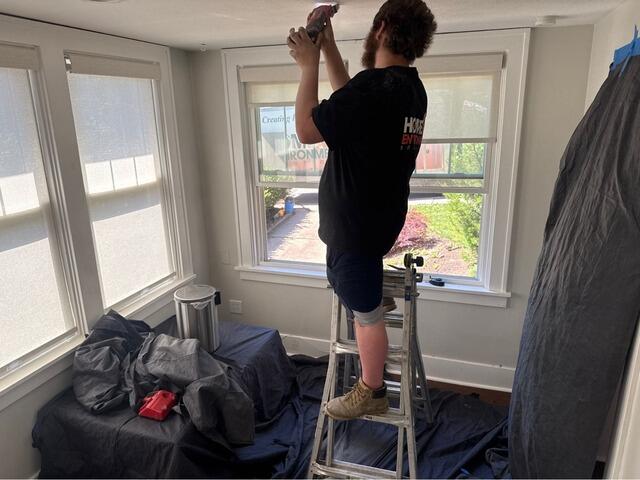
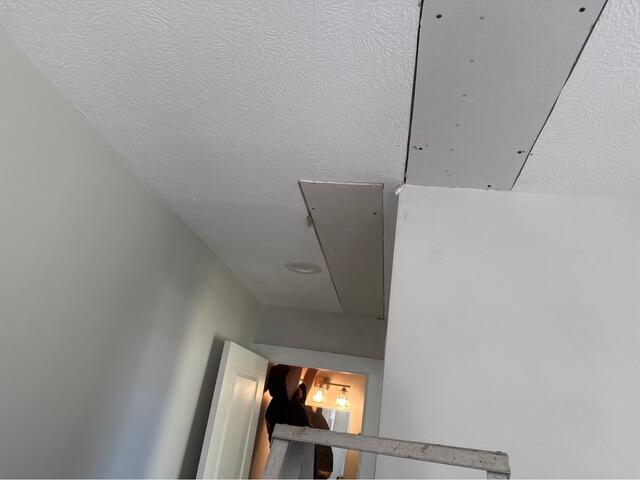
Samantha reached out because a room addition was consistently colder than the rest of the home. During the winter months, the problem became even more serious as pipes in the basement below were at risk of freezing.
When we evaluated the home, we found that the addition wasn't properly insulated and air movement within the enclosed cavities was allowing valuable heat to escape. This not only affected comfort in the living spaces but also created colder conditions around the plumbing system below.
We focused on improving thermal protection using dense-pack insulation. Dense-pack insulation is ideal for enclosed walls, floors, and difficult-to-reach cavities because it completely fills the space and prevents airflow from moving through the structure. Unlike traditional insulation methods that can leave gaps or voids, dense-pack insulation creates a consistent thermal blanket throughout the cavity.
We also sealed key air leakage points to reduce heat loss and improve overall system performance.
By combining air sealing with dense-pack insulation, we were able to address both the comfort issues in the addition and the cold conditions contributing to freezing pipe concerns. Now the room addition feels more comfortable, temperatures are more consistent throughout the home, and the plumbing system has added protection during colder weather.
Pittsburgh PA Kneewall space in Attic


Insulation was old and deteriorating. Knee walls were not insulated causing cold air to penetrate through the upstairs living space. We insulated with TruSoft Cellulose and used High Density SilverGlo to insulate. Creating a much warmer/cooler upstairs for the bedrooms.
Eliminating Drafts by fixing the Whole System in Pittsburgh, PA 15216
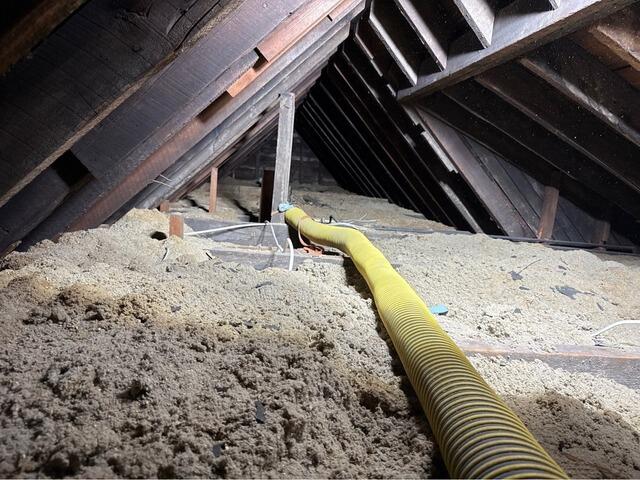
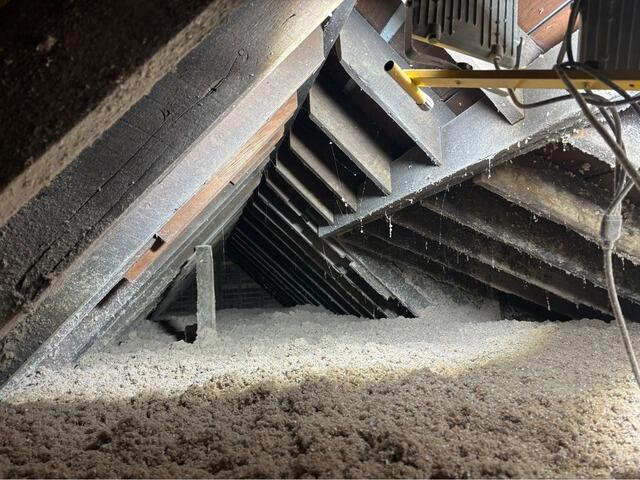
Joshua reached out because his home had cold floors, high energy bills, and noticeable drafts; especially on the first floor. Even without major temperature swings upstairs, the lower level just didn’t feel comfortable.
When we evaluated the home, we found that the issue wasn’t isolated to one area. Air was leaking from the attic and being pulled in from lower areas like the basement, creating a continuous cycle of airflow through the home. Our team focused on controlling that airflow from top to bottom.
We sealed attic air leaks, insulated the attic access, and addressed chimney-related leakage. We also improved attic usability and insulation coverage to make sure the system performs consistently. At the same time, we insulated and sealed the rim joists in the basement, one of the biggest sources of cold air infiltration that leads to drafty floors. By addressing both the attic and basement, we stopped the airflow loop that was causing the drafts.
Now the basement and first floor feels warmer, drafts have been reduced, and the home holds temperature much more effectively; which will reduce energy consumption.
Fixing drafts, access issues, and restoring comfort in Pittsburgh, PA 15216
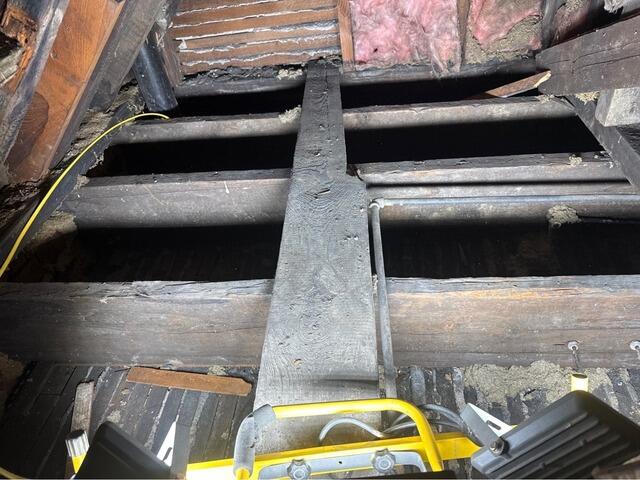
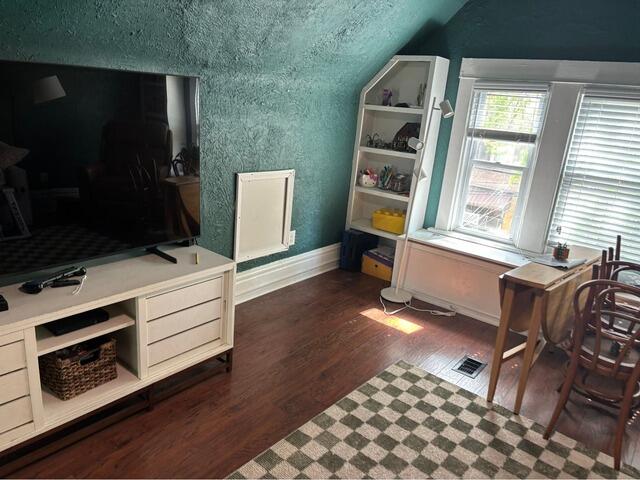
Josh reached out because his home had cold floors, high energy bills, and noticeable drafts, along with uneven temperatures between floors. On top of that, parts of the attic were difficult to access, making it hard to properly treat the problem areas.
When we evaluated the home, we found that air leakage in the attic combined with limited access was preventing the space from being properly sealed and insulated. Our team focused on both performance and accessibility.
We sealed attic air leaks, sealed top plates and chimney-related leakage, and improved insulation coverage to strengthen the thermal boundary. A key part of this project was cutting in three new attic access points, allowing us to fully reach and treat all areas of the attic.
Each access point was properly sealed and insulated to prevent energy loss, because access points are one of the most common sources of air leakage if not handled correctly.
We also addressed airflow from the lower part of the home by insulating and sealing rim joists, helping to stop cold air from entering at the base of the structure.
By improving access and sealing the attic system completely, we were able to eliminate hidden problem areas that were contributing to drafts. Now the home feels more consistent, drafts have been reduced, and overall comfort has improved significantly.
Remediating Mold in the Living Space in Pittsburgh, PA 15216
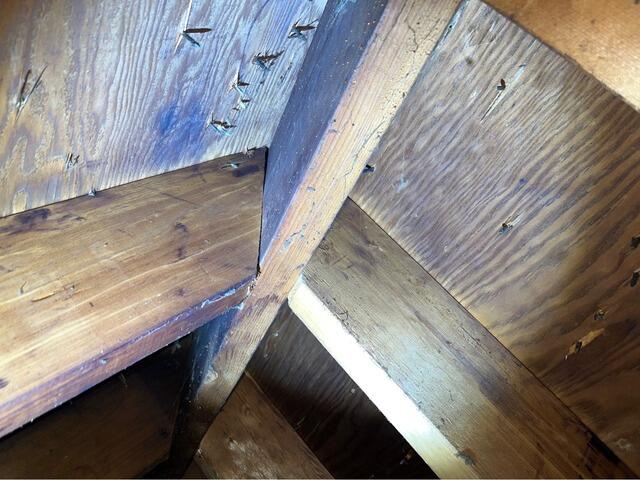
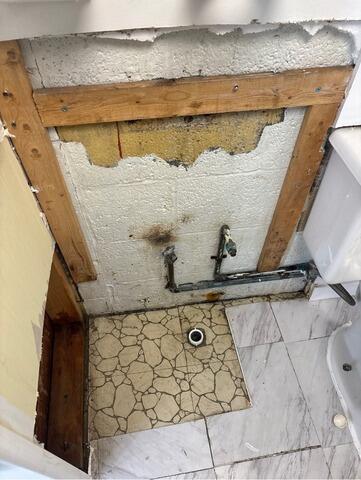
Whitney reached out after discovering mold within the living space of the home. While mold is often treated as a surface problem, it's usually a symptom of a larger issue involving moisture, air movement, and temperature differences within the home.
When we evaluated the property, we found that attic air leakage was contributing to conditions that allowed moisture and contaminants to impact the living space.
Our team focused on creating a healthier home by addressing both the mold concerns and the underlying causes.
We sealed attic air leaks, sealed top plates, improved insulation performance, and insulated the attic access opening to reduce uncontrolled airflow between the attic and living areas. We also performed mold remediation measures to address contamination concerns and restore a cleaner environment.
By tightening the attic system and improving the thermal boundary, we helped reduce the conditions that contribute to mold growth while improving overall home performance.
Now the home has a cleaner indoor environment, improved energy efficiency, and greater peace of mind knowing the root causes were addressed, not just the symptoms.
our service area
We serve the following areas
- Alliance
- Atwater
- Barnesville
- Belmont
- Beloit
- Bethesda
- Bolivar
- Bowerston
- Cadiz
- Cambridge
- Canton
- Carrollton
- Deerfield
- Dellroy
- Dennison
- Diamond
- Dover
- East Canton
- East Rochester
- East Sparta
- Flushing
- Gnadenhutten
- Hartville
- Homeworth
- Jewett
- Kimbolton
- Lore City
- Louisville
- Magnolia
- Malvern
- Mineral City
- Minerva
- New Philadelphia
- Newcomerstown
- North Benton
- North Canton
- Paris
- Piedmont
- Port Washington
- Quaker City
- Salesville
- Scio
- Sebring
- Sherrodsville
- Stone Creek
- Strasburg
- Tippecanoe
- Uhrichsville
- Freeport
- Waynesburg
