
Serving Greater Pittsburgh & Northern Panhandle, Washington, Weirton, Pittsburgh, and surrounding cities
Home Environment Solutions Before & After Photos
Click on a photo to enlarge.
Lowering energy costs in Washington, PA 15301
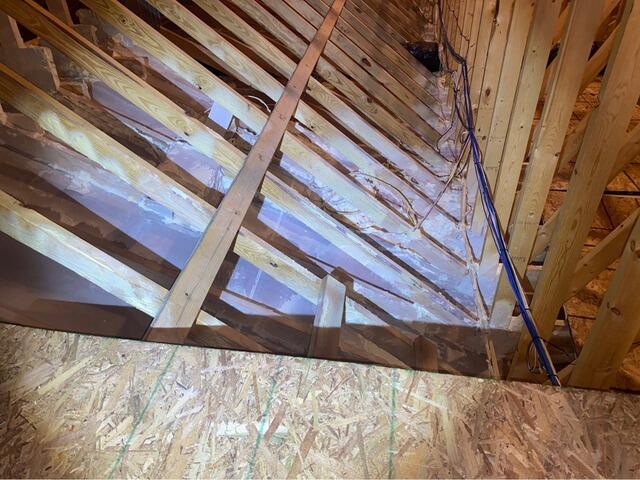
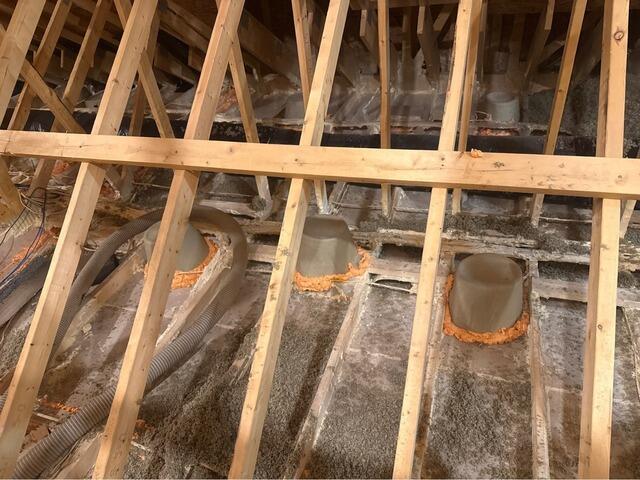
Ron reached out because his single-story home felt drafty and energy bills were higher than they should have been. The cathedral ceilings made the problem more noticeable, letting heat escape and making the home harder to keep comfortable during colder weather.
Our team focused on tightening up the attic and ceiling areas where air and heat loss were occurring. We sealed attic access points, sealed ductwork, closed attic penetrations, addressed open soffit areas, installed insulation dams, and upgraded attic insulation levels to improve overall performance.
With these improvements complete, Ron’s home now holds heat better, feels less drafty, and operates more efficiently. Comfort has improved throughout the living space, and energy costs are lower as a result.
Making an upstairs more comfortable in Washington, PA 15301
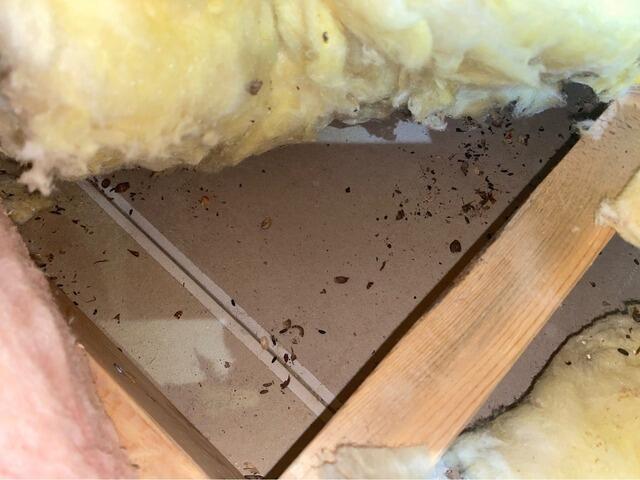
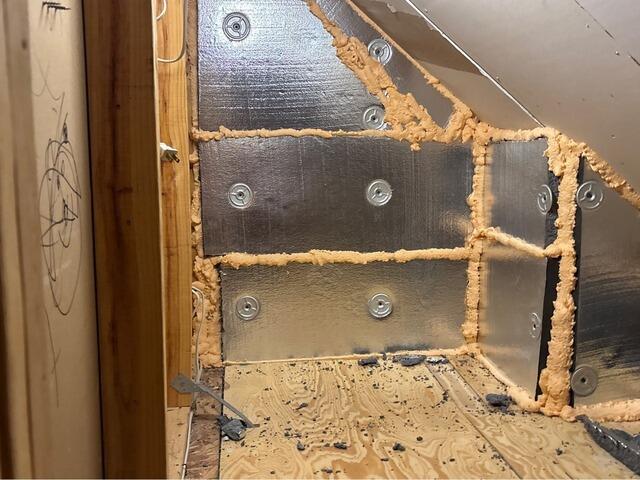
Christina reached out because her two-story home had high energy bills, drafty rooms, and an upstairs that was difficult to keep comfortable. Temperatures upstairs fluctuated throughout the year, making some rooms too hot in the summer and too cold in the winter.
Our team focused on tightening the attic and stopping conditioned air from escaping at the top of the home. We sealed and insulated the attic, improved and insulated the attic access, sealed attic penetrations, insulated knee wall areas, and addressed chimney-related air leakage. By sealing these problem areas, we were able to restore a proper thermal boundary.
As a result, conditioned air loss was eliminated, energy costs were reduced, and upstairs temperatures are now consistent and comfortable throughout the year.
Fixing Comfort Problems across Multiple Attic Spaces in Washington, PA 15301
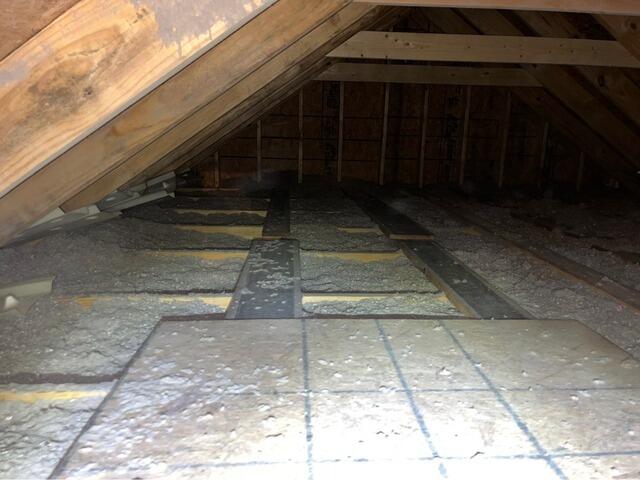
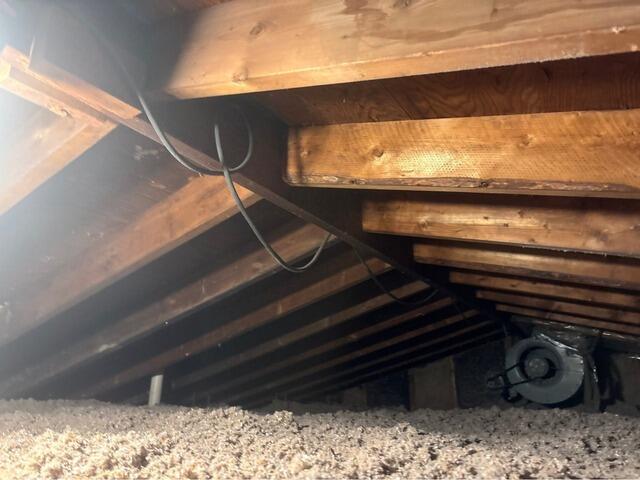
Daniel reached out because his home had cold floors, drafty rooms, uneven upstairs temperatures, and high energy bills. One of the biggest challenges with this project was that the home had multiple attic spaces, which often create hidden airflow and insulation problems throughout different sections of the house.
In homes like this, one attic area may be insulated while another is leaking energy, making it difficult to maintain consistent comfort from room to room.
When we evaluated the home, we found air leakage and insulation deficiencies spread across multiple attic sections. To truly fix the problem, the entire attic system needed to work together—not just one isolated area.
Our team sealed attic air leaks and top plates, insulated attic access points, and improved insulation continuity throughout the connected attic spaces. A key part of this project was utilizing our dense-pack insulation process in enclosed cavity areas. Dense-pack insulation completely fills cavities and prevents airflow inside the structure itself, which is especially important in homes with complicated attic layouts and multiple connected spaces.
By combining air sealing with dense-pack insulation, we were able to eliminate hidden weak spots that were contributing to drafts and uneven temperatures. Now the home feels more balanced from room to room, drafts have been reduced, and the upstairs holds temperature much more consistently.
The Best Time to Fix Hidden Energy Problems in Washington, PA 15301
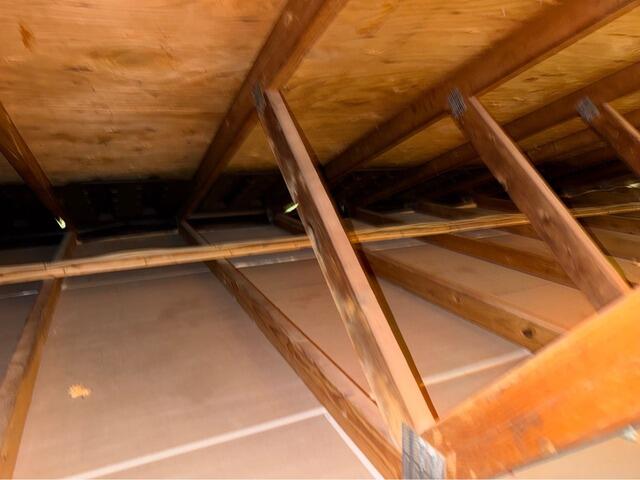
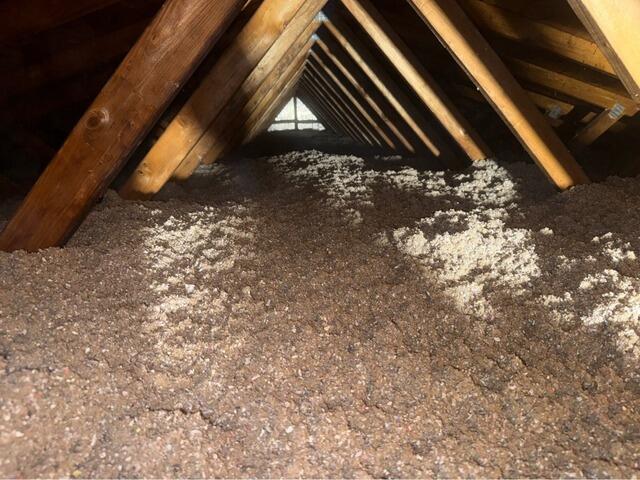
Tom was in the middle of replacing ceilings in his family room and recognized something many homeowners overlook; when walls or ceilings are open, it's the perfect opportunity to address insulation and air leakage issues that are normally hidden.
His goal was simple. Improve comfort in the family room and reduce energy loss while the area was accessible.
When we evaluated the space, we found air leakage pathways that were allowing conditioned air to escape into the attic. Even small gaps around framing, penetrations, and top plates can have a significant impact on comfort and efficiency over time.
Our team focused on sealing those hidden leakage points before the new ceiling was installed.
We sealed attic penetrations and top plates to stop uncontrolled airflow and strengthen the thermal boundary between the living space and the attic.
Projects like this are often some of the most valuable because they address problems while the home is already under renovation, eliminating the need for future demolition or invasive work. Now the family room is better protected from energy loss, and the home is positioned for improved comfort and efficiency for years to come.
Solving High Energy Bills and Uneven Upstairs Temperatures in McDonald, PA 15057
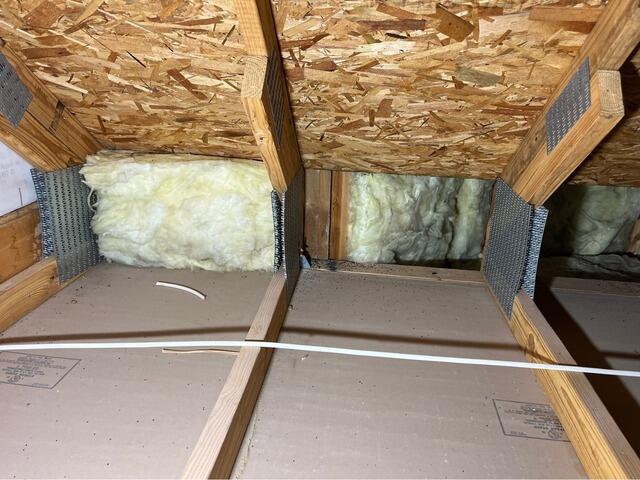
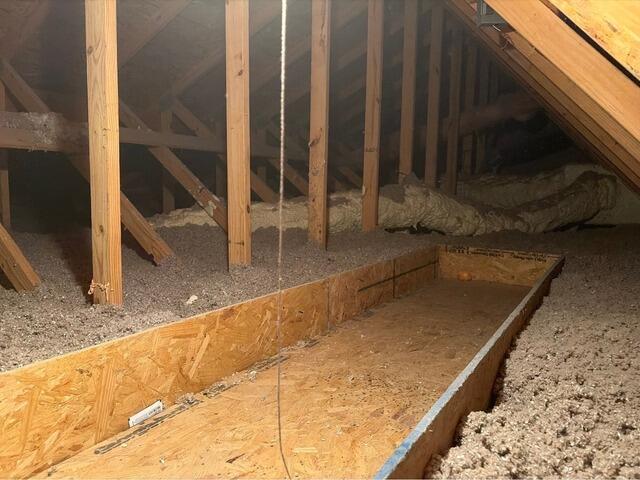
Bob was dealing with a problem that many owners of two-story homes know well: the upstairs never seemed to be comfortable. Along with inconsistent second-floor temperatures, high energy bills were another sign that the home wasn't performing as efficiently as it could.
When the upstairs is too hot in the summer or too cold in the winter, it's easy to assume the heating and cooling system isn't powerful enough. But before replacing HVAC equipment, it's important to look at what's happening above the second-floor ceiling.
Our team evaluated Bob's attic and developed a comprehensive solution designed to strengthen the air and thermal boundary at the top of the home.
We completed comprehensive attic air sealing to reduce the hidden pathways that allow conditioned air to escape from the living space. We also sealed the top plates, an often-overlooked source of air leakage where interior walls meet the attic.
The attic access was another important part of the project. We properly air sealed and insulated the opening so it wouldn't remain a weak point in the home's thermal boundary.
Additional attic improvements included completing a more comprehensive system designed to improve the performance of the attic and the home below.
The important part of this project wasn't simply adding more insulation. Air sealing and insulation have to work together. Insulation slows heat transfer, while air sealing reduces the movement of conditioned air through hidden gaps and openings.
By addressing both parts of the system, Bob's home is now better equipped to maintain consistent temperatures upstairs while reducing unnecessary energy loss.
For homeowners struggling with high energy bills and a second floor that's always too hot or too cold, the solution may not be a larger furnace or air conditioner. The first place to investigate may be right above your head; the attic.
our service area
We serve the following areas
- Alliance
- Atwater
- Barnesville
- Belmont
- Beloit
- Bethesda
- Bolivar
- Bowerston
- Cadiz
- Cambridge
- Canton
- Carrollton
- Deerfield
- Dellroy
- Dennison
- Diamond
- Dover
- East Canton
- East Rochester
- East Sparta
- Flushing
- Gnadenhutten
- Hartville
- Homeworth
- Jewett
- Kimbolton
- Lore City
- Louisville
- Magnolia
- Malvern
- Mineral City
- Minerva
- New Philadelphia
- Newcomerstown
- North Benton
- North Canton
- Paris
- Piedmont
- Port Washington
- Quaker City
- Salesville
- Scio
- Sebring
- Sherrodsville
- Stone Creek
- Strasburg
- Tippecanoe
- Uhrichsville
- Freeport
- Waynesburg
