
Serving Greater Pittsburgh & Northern Panhandle, Washington, Weirton, Pittsburgh, and surrounding cities
Addressing Drafty Rooms, High Energy Bills, and Winter Ice Dams in Canonsburg, PA 15317
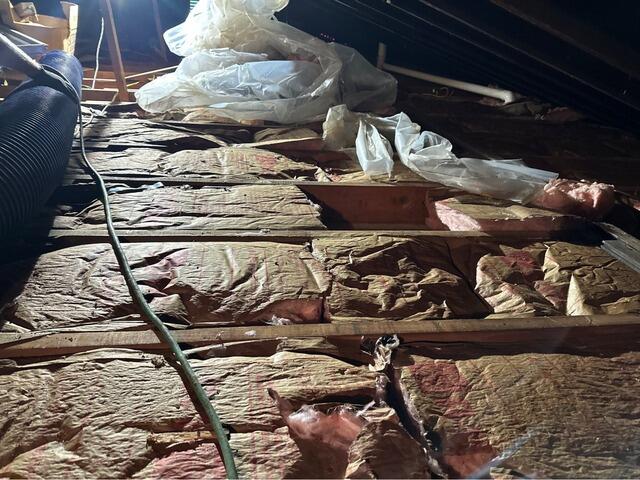
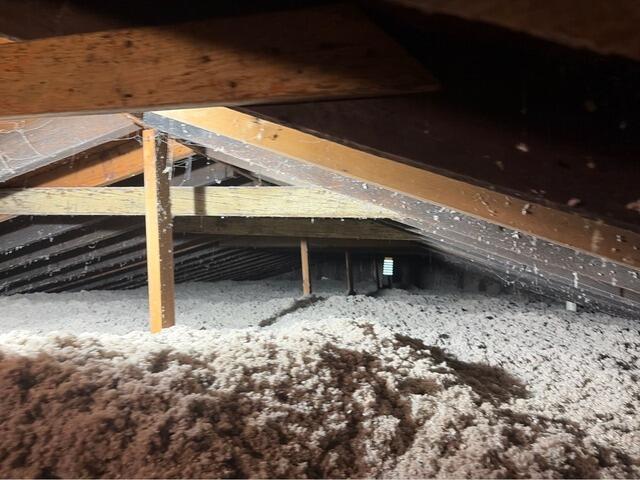
Tammie was dealing with several frustrating problems in her Canonsburg, PA home. Energy bills were higher than she wanted, certain rooms felt drafty, and ice damming was another concern during the winter months.
Although these problems might seem unrelated, they can all point toward an attic that isn't property controlling air movement.
An important part of the work involved sealing the top plates, where interior walls meet the attic. These areas often contain small gaps that allow warm indoor air to escape upward, especially during the winter. We also completed soffit-related air sealing and additional targeted attic improvements to address other potential air leakage pathways.
The project also included an attic improvement, another important area in maintaining a continuous air and thermal boundary.
Why is this especially important for a homeowner experiencing ice dams?
During cold weather, warm air escaping from the living space can raise attic temperatures and warm portions of the roof deck. When snow melts on warmer sections of the roof and then refreezes near the colder edges, ice dams can form.
These ice dams can trap water along the roofline, sometimes allowing water to work its way beneath roofing materials. By reducing unwanted heat loss into the attic, proper air sealing can help address one of the conditions that contributes to ice dam formation.
The same air leakage that contributes to winter heat loss can also affect year-round comfort. When conditioned air escapes through hidden openings, heat and cooling equipment may need to run longer to maintain the desired indoor temperature.
This project demonstrates why solving an ice dam problem isn't always just about the roof. Sometimes, the underlying issue begins inside the home, where warm air escapes into the attic.
our service area
We serve the following areas
- Alliance
- Atwater
- Barnesville
- Belmont
- Beloit
- Bethesda
- Bolivar
- Bowerston
- Cadiz
- Cambridge
- Canton
- Carrollton
- Deerfield
- Dellroy
- Dennison
- Diamond
- Dover
- East Canton
- East Rochester
- East Sparta
- Flushing
- Gnadenhutten
- Hartville
- Homeworth
- Jewett
- Kimbolton
- Lore City
- Louisville
- Magnolia
- Malvern
- Mineral City
- Minerva
- New Philadelphia
- Newcomerstown
- North Benton
- North Canton
- Paris
- Piedmont
- Port Washington
- Quaker City
- Salesville
- Scio
- Sebring
- Sherrodsville
- Stone Creek
- Strasburg
- Tippecanoe
- Uhrichsville
- Freeport
- Waynesburg
